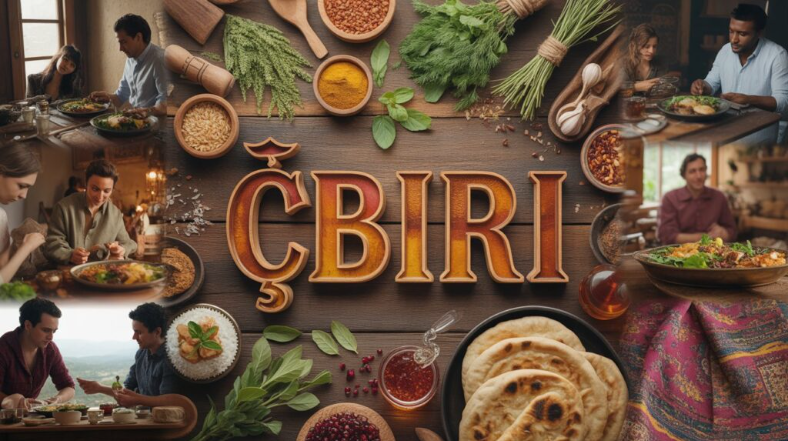
Çbiri represents far more than culinary tradition or linguistic heritage; it embodies generations of shared experiences woven through community bonding and cultural identity. This fascinating element transcends regional boundaries, connecting diverse cultures through hospitality, unity, and profound symbolism that resonates across time. From ancient rituals to contemporary adaptations, Çbiri serves as both a sacred object and a living practice, reflecting how traditions evolve while retaining core significance.
Thank you for reading this post, don't forget to subscribe!Whether encountered through aromatic spices in bustling markets or spiritual ceremonies honoring ancestors, this cultural tapestry continues to foster deeper meanings that shape modern society. Understanding its multifaceted nature reveals why communities worldwide preserve these traditions with deep-rooted respect, ensuring younger generations inherit rich narratives that define belonging and collective stories passed through centuries of human connection.
What is Çbiri? Tracing Its Ancient Beginnings
The origins trace back to nomadic cultures where communal cooking created more than sustenance—it forged social bonds through practical tools imbued with spiritual significance. Historical texts suggest shepherds and travelers relied on locally sourced materials, transforming simple grains and meats into artifacts representing hospitality.
Ancient traditions positioned this element as both a protective charm and a ritual connector to nature’s realms. Communities across trade routes adapted preparation methods, each interaction bringing fresh perspectives that shaped evolution beyond humble fare.
Etymological connections reveal how languages and dialects preserved notions of friendship embedded in gatherings. This wasn’t merely food or word—it symbolized togetherness, reflecting the enduring human quest for meaning through shared cultural fabric woven across neighboring regions and centuries.
The Spiritual and Social Dimensions of Çbiri
Practitioners describe engaging with this tradition as bringing balance to life, warding off negative energies while promoting harmony within homes. Herbalists incorporate its essence into remedies aimed at emotional well-being, viewing sacred ceremonies as channels connecting past customs to present identities.
Storytelling sessions transform preparation into events where elders share tales, fostering belonging among younger members. These oral traditions aren’t decorative; they’re preservation mechanisms ensuring valuable history survives generational shifts.
The beliefs surrounding this practice reflect cultural values transcending individual experience. From rites of passage marking life transitions to seasonal celebrations honoring ancestral heritage, communities treat these moments as bridges linking spirituality with everyday existence, creating profound lessons embedded in communal ties that define resilience during challenging times.
Çbiri Across Cultures: A Regional Perspective
Middle Eastern Traditions
Turkey showcases bold flavors through robust spices like cumin and paprika, with southeastern cities such as Gaziantep incorporating sumac and allspice alongside fragrant rice pilaf. Urban centers like Istanbul introduce innovative cooking techniques, slow-roasting, and grilling while maintaining traditional roots through yogurt sauce drizzled for extra creaminess.
Syrian interpretations emphasize finely minced meat wrapped in thin dough layers, creating a delightful crunch outside while keeping the interiors juicy. Za’atar and aromatic spices like cinnamon characterize warming dishes served during family gatherings, with tangy yogurt sauce or tahini dip complementing savory profiles beautifully.
Mediterranean Expressions
Greek adaptations feature tender lamb or beef marinated in fragrant herbs—oregano, dill, mint—elevated by lemon juice, providing zesty kicks. Crete pairs preparations with wild greens and rustic bread from wood-fired ovens, while tzatziki sauce adds refreshing layers to communal dining experiences shared over ouzo or raki.
Time-honored customs transform meals into celebrations of togetherness, with vibrant salads drizzled in olive oil and fresh feta cheese offering delightful contrasts to rich, savory elements.
Armenian Heritage
The mountainous landscape influences distinct character through local ingredients like pomegranate molasses and fresh dill, adding tangy sweetness and aromatic touches, setting Armenian versions apart. Wheat grains incorporated into dough create added texture, while traditional methods passed through generations emphasize warmth and hospitality.
Homemade yogurt and tangy pickles served alongside each bite offer tastes of culinary history, transforming dishes into stories shared among loved ones gathered at tables during festive occasions.
Cultural Interpretations Beyond Food
Southeast Asian ceremonies intertwine this concept with rites of passage, while Eastern European folklore preserves local legends through communal storytelling over shared meals. African cultures embody resilience and unity, treating these traditions as reminders of heritage amid adversity, enriching global narratives through unique regional interpretations.
Traditional Celebrations and Contemporary Rituals Featuring Çbiri
Festivals honoring these practices feature vibrant displays of art and music, with participants donning colorful attire reflecting cultural roots. The preparation itself becomes ritual—families gathering to create culinary delights infused with meaning that extends beyond taste.
Digital performances now engage audiences across platforms like Instagram, where striking visuals and narratives spark interest among followers unfamiliar with the significance. Virtual gatherings adapt ceremonial events for contemporary landscapes, ensuring the essence remains preserved while flourishing in today’s interconnected world.
Seasonal shifts bring varied expressions of connection, from wedding ceremonies to coming-of-age celebrations. Large communal platters invite diners to share portions with care, fostering a sense of community around tables where offering signifies hospitality and generosity. Guests encouraged to take seconds or thirds reflect warmth and abundance in every bite, symbolizing unity and shared experiences that transcend individual moments.
Modern Interpretations: How Çbiri Evolves Today
Artists blend traditional elements with contemporary aesthetics, creating pieces resonating with younger audiences through fresh appreciation. Fashion designers integrate motifs into clothing lines, celebrating heritage while catering to global markets through accessible designs bridging cultural gaps.
Social media amplifies reach as users share insights, fostering engagement around rich traditions. Influencers highlight symbolism, while workshops promote firsthand learning about techniques, fostering deeper connections to evolving identities amid ever-changing landscapes.
Urban kitchens reimagine preparations through fusion versions—spicy Sriracha-infused variations adding kicks, plant-based proteins catering to vegetarian demand,s while preserving authentic tastes. Smoky chipotle or tangy drizzles enhance traditional seasoning layers, inviting adventurous eaters to explore bold combinations.
Food trucks and trendy bistros feature creative takes, making traditions accessible beyond home kitchens. Musicians incorporate themes into lyrics, visual artists draw inspiration from symbols, and educational initiatives teach significance through programs ensuring unique cultural aspects adapt for future relevance while retaining spirit.
Navigating Cultural Appreciation vs. Appropriation in Çbiri
Recent debates highlight tensions between sharing traditions and protecting authentic roots from commodification. Critics express concern that integration into popular culture dilutes the essence, arguing that without understanding the significance, the rich history and spirituality become lost commodities.